Pap Smear: A Simple Test That Can Make a Life-Changing Difference
When it comes to women's health, some conversations are easier than others. Many women are comfortable discussing nutrition, exercise, or skincare, but topics related to reproductive health often remain surrounded by uncertainty, fear, or embarrassment. One such topic is the Pap smear.
For many women, hearing the words "Pap smear" can bring a mix of emotions. Some may feel nervous about the procedure itself, while others may worry about what the results could reveal. However, understanding the purpose of this screening test can help replace anxiety with confidence.
A Pap smear is one of the most effective tools available for detecting changes in cervical cells before they develop into something more serious. In fact, this simple screening test has helped save countless lives by identifying abnormalities early, when treatment is often most successful.
Whether you're preparing for your first Pap smear or simply want to learn more about its importance, understanding the basics can empower you to take charge of your health.
What Is a Pap Smear?
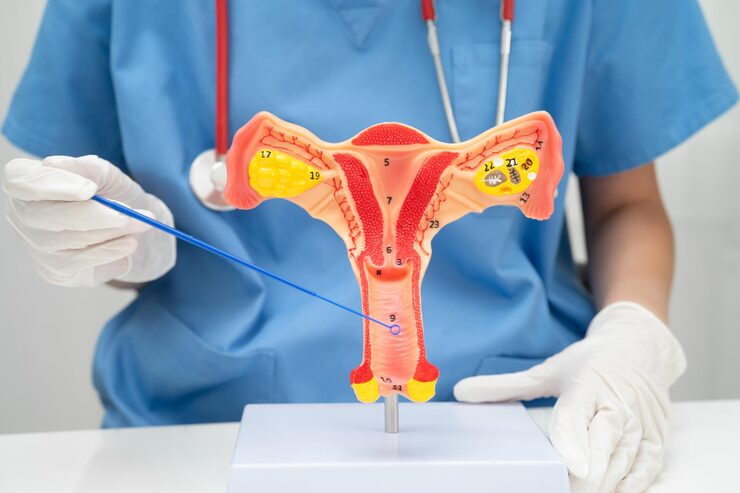
A Pap smear, also known as a Pap test, is a screening procedure used to detect abnormal cells in the cervix. The cervix is the lower part of the uterus that connects to the vagina.
The primary goal of a Pap smear is not to diagnose cancer but to identify cell changes that could potentially develop into cervical cancer if left untreated. By detecting these abnormalities early, healthcare providers can monitor or treat them before they become more serious.
The test is named after Dr. George Papanicolaou, the physician who developed this screening method and revolutionized cervical cancer prevention.
Why Is a Pap Smear Important?
One of the reasons cervical cancer screening is so effective is that cervical cancer usually develops slowly. Before cancer forms, abnormal cells often appear and can be detected years in advance through routine screening.
Without regular screenings, these cell changes may go unnoticed because they typically do not cause symptoms in the early stages.
A Pap smear helps healthcare providers identify:
- Precancerous cervical cell changes
- Abnormal cervical cells
- Early signs of cervical cancer
- Infections or inflammation in some cases
Early detection often leads to better treatment outcomes and can significantly reduce the risk of developing advanced cervical cancer.
Understanding the Link Between HPV and Cervical Cancer
Many discussions about Pap smears also include Human Papillomavirus (HPV). HPV is one of the most common sexually transmitted infections worldwide.
While most HPV infections clear on their own without causing harm, certain high-risk strains can lead to abnormal cervical cell changes over time. Persistent infection with high-risk HPV types is considered one of the leading causes of cervical cancer.
This is why healthcare providers may recommend HPV testing alongside a Pap smear, especially for women in certain age groups.
Knowing your HPV status can provide additional information about your cervical health and help guide future screening recommendations.
What Happens During a Pap Smear?
For women who have never undergone the procedure, uncertainty about what to expect can create unnecessary anxiety.
The good news is that a Pap smear is usually quick and straightforward.
During the examination, the patient lies on an examination table with her feet supported in stirrups. A healthcare provider gently inserts a speculum into the vagina to allow a clear view of the cervix.
Using a small brush or spatula, the provider collects a sample of cells from the surface of the cervix. These cells are then sent to a laboratory for analysis.
The entire process typically takes only a few minutes.
Although the procedure may feel slightly uncomfortable, it is generally not painful. Some women experience mild pressure or temporary discomfort, but the sensation usually passes quickly.
How Often Should You Get a Pap Smear?
Screening recommendations can vary depending on age, medical history, and healthcare guidelines.
In general:
- Women should begin cervical cancer screening in early adulthood according to their healthcare provider's recommendations.
- Screening intervals may vary based on age and previous test results.
- Some women may undergo Pap smears alone, while others may have combined Pap and HPV testing.
The most important step is maintaining regular appointments and following your healthcare provider's advice regarding screening frequency.
Skipping routine screenings can allow abnormal cell changes to progress unnoticed.
Preparing for a Pap Smear
Preparing for a Pap smear is usually simple.
To help ensure accurate results, healthcare providers may recommend:
- Scheduling the test when you are not menstruating
- Avoiding sexual intercourse for a short period before the test
- Avoiding vaginal medications, creams, or douches unless instructed otherwise
- Informing your healthcare provider about any symptoms or concerns
These precautions help improve the quality of the cell sample collected during the procedure.
Understanding Your Results
Waiting for test results can sometimes feel stressful, but it is important to remember that an abnormal result does not automatically mean cancer.
In fact, many abnormal Pap smear results are caused by minor cell changes, inflammation, infections, or HPV-related abnormalities that can often be monitored or treated effectively.
Results generally fall into two categories:
Normal Results
A normal result means no significant abnormal cervical cell changes were detected. In this case, routine screening will continue according to recommended guidelines.
Abnormal Results
An abnormal result indicates that changes were found in cervical cells. The severity of these changes can vary significantly.
Depending on the findings, your healthcare provider may recommend:
- Repeat testing after a specific period
- HPV testing
- Additional examinations such as colposcopy
- Monitoring of cervical cell changes
Many abnormal findings resolve naturally or can be treated before they become serious.
Common Fears About Pap Smears
Despite their importance, many women delay Pap smears because of fear or embarrassment.
Some worry that the procedure will be painful. Others feel uncomfortable discussing intimate health concerns. Some may fear receiving bad news.
These feelings are understandable, but they should not prevent women from prioritizing their health.
Healthcare professionals perform Pap smears routinely and are trained to ensure patients feel comfortable, respected, and informed throughout the process.
Many women who postpone their first screening later report that the experience was much easier than they expected.
The Role of Preventive Healthcare
A Pap smear is more than just a medical test. It represents a proactive approach to health and well-being.
Preventive healthcare focuses on identifying potential problems before symptoms appear. By attending routine screenings, women can make informed decisions and reduce the likelihood of serious health complications later in life.
Combined with healthy lifestyle choices, HPV vaccination when appropriate, and regular medical checkups, Pap smears remain one of the most effective preventive tools available in women's healthcare.
Final Thoughts
A Pap smear may only take a few minutes, but its impact can last a lifetime. This simple screening test plays a crucial role in detecting cervical cell changes early, often long before they become dangerous.
While it is natural to feel nervous about medical procedures, understanding what a Pap smear involves can help remove much of the uncertainty. Rather than viewing it as something to fear, it can be seen as an important act of self-care and prevention.
Taking time for routine screenings is one of the most powerful steps women can take to protect their long-term health. A few minutes today could make a significant difference for years to come.