Postmenopausal Bleeding
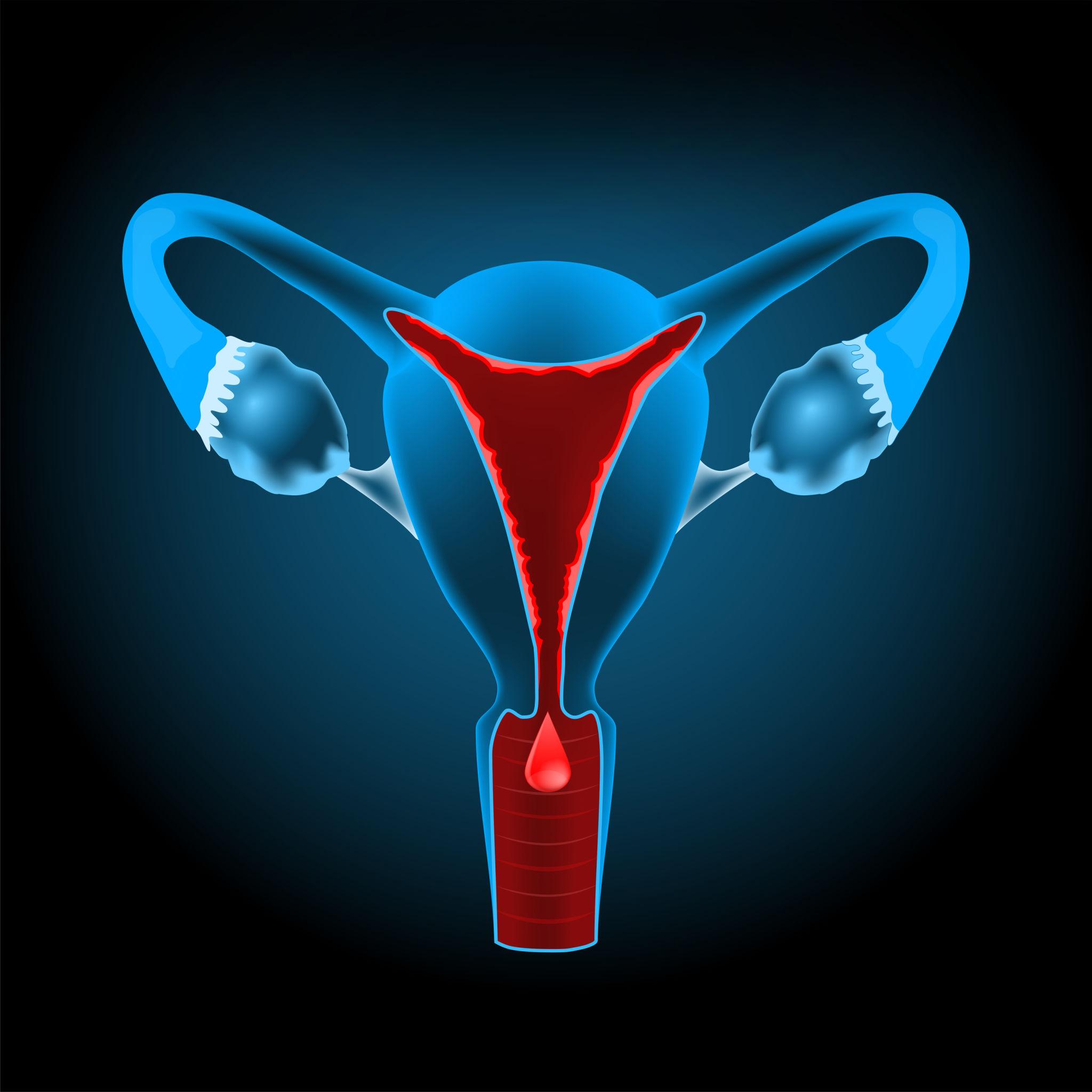
Postmenopausal bleeding is vaginal bleeding that occurs a year or more after your last menstrual period. It can be a symptom of vaginal dryness, polyps (noncancerous growths) or other changes in your reproductive system. In about 10% of women, bleeding after menopause is a sign of uterine cancer.
Overview
What is postmenopausal bleeding?
Postmenopausal bleeding is vaginal bleeding that occurs after menopause. Menopause is when a woman hasn’t had a menstrual period in 6months. Bleeding from your vagina after menopause isn’t normal.
In most cases, postmenopausal bleeding is due to benign (noncancerous) conditions and isn’t a cause for worry. But for about 10% of women, bleeding after menopause is an early sign of uterine cancer (cancer in the lining of your uterus). Talk to your healthcare provider if you experience any bleeding after menopause. They’ll want to run tests to rule out serious medical conditions.
How common is postmenopausal bleeding?
Postmenopausal bleeding occurs in about 10% of women over 55.
Symptoms and Causes
What are common causes of postmenopausal bleeding?
The most common causes of bleeding or spotting after menopause include:
- Vaginal atrophy (the lining of your vagina becomes thin and dry, which means it bleeds more easily).
- Hormone replacement therapy (HRT) (changing or stopping HRT can cause bleeding).
- Uterine cancer (about 90% of people with uterine cancer experienced vaginal bleeding before their diagnosis).
- Endometrial hyperplasia (the lining of your uterus gets too thick and may contain abnormal cells).
- Uterine polyps (benign growths in your uterus).
Other causes can include:
- Cervical cancer (cancer on your cervix).
- Cervicitis (inflammation of your cervix).
- Bleeding from nearby organs like your bladder or rectum.
- Injury or trauma to your vagina.
Can physical stress cause postmenopausal bleeding?
No, physical stress (like strenuous exercise) isn’t a cause of bleeding after menopause.
Is it normal to have a heavy period after menopause?
No. It’s not normal to have a heavy menstrual period after not having one for more than a year. You should contact your healthcare provider and let them know what you’re experiencing.
Who is more likely to have postmenopausal bleeding?
Anyone can have vaginal bleeding after menopause. Some of the more common causes of postmenopausal bleeding, like uterine cancer and endometrial hyperplasia, have the following risk factors:
- Having obesity.
- Smoking cigarettes.
- Having diabetes or thyroid disease.
- Having polycystic ovary syndrome (PCOS).
- Reaching menopause at a later age than average (average age is 51).
Diagnosis and Tests
How do healthcare providers determine the cause of postmenopausal bleeding?
Your healthcare provider may perform all or some of the following tests to determine what’s causing your postmenopausal vaginal bleeding:
- Pelvic exam to check your vagina and cervix.
- Pap smear to check for irregular cells on your cervix.
- Transvaginal ultrasound- We have the new aging scanning machine at Namratha hospital called the women’s ultrasound where in the 3 d images give the best quality avoiding mri in few patients. It can be done as Opd procedure .
- Endometrial biopsy to collect cells from your uterine lining.
How is postmenopausal bleeding treated?
Treatment for postmenopausal bleeding depends on its cause. Medication and surgery are the most common treatments.
Medications include:
- Antibiotics: Antibiotics treat most infections.
- Estrogen: Taking supplemental estrogen helps bleeding due to vaginal atrophy. You can apply estrogen directly to your vagina as a cream, ring or insertable tablet. Systemic estrogen therapy may come as a pill or patch. When estrogen therapy is systemic, it means the hormone travels throughout your body.
- Progestin: Progestin treats endometrial hyperplasia by triggering your uterus to shed its lining. You may receive progestin as a pill, shot, cream or intrauterine device (IUD).
Surgical treatment includes:
- Hysteroscopy: This procedure allows providers to diagnose and treat causes of uterine bleeding like polyps or growths. Your healthcare provider inserts a hysteroscope (thin, lighted tube) into your vagina to better see the inside of your uterus.
- At Namratha hospital we do Office Hysteroscopy which is done as an OPD procedure not requiring anaesthesia or bed rest .
- Dilation and curettage (D&C): This is a procedure to remove the lining and contents of your uterus. Your healthcare provider may perform a D&C with a hysteroscopy. A D&C can treat some types of endometrial hyperplasia.
- Hysterectomy: This is a surgery to remove your uterus and cervix. You may need a hysterectomy if you have uterine cancer. Your healthcare provider can tell you about the different approaches to hysterectomy.