
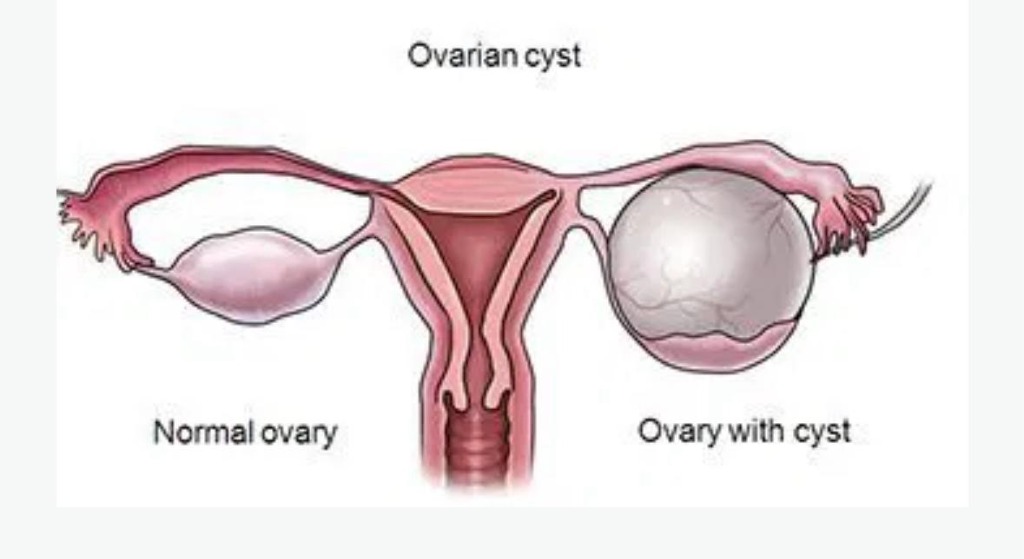
Ovarian cysts are fluid-filled pockets present in the ovary of female reproductive system. Cyst-like structures called follicles or ovarian cyst are formed every month. Many women develop ovarian cysts at some time of their reproductive phase of life. Most of the ovarian cysts form as a result of the women’s menstrual cycle called functional cysts. However, they are not life-threatening in nature.
Most the ovarian cysts that form do not cause any symptoms and get resolved on their own. Nevertheless, the ruptured ovarian cysts cause serious symptoms.
1 Common Symptoms
When ovarian cysts cause symptoms or rupture, signs may include:
- Pelvic pain
- Painful menstruation
- Difficulty during sexual intercourse
- Nausea
- Vomiting
- Breast tenderness
- Fullness or heaviness in the abdomen
- Frequent need to urinate and difficulty emptying the bladder
- Dull ache or pain in the lower back or abdomen
2 5 Factors That Trigger Hormonal Cysts
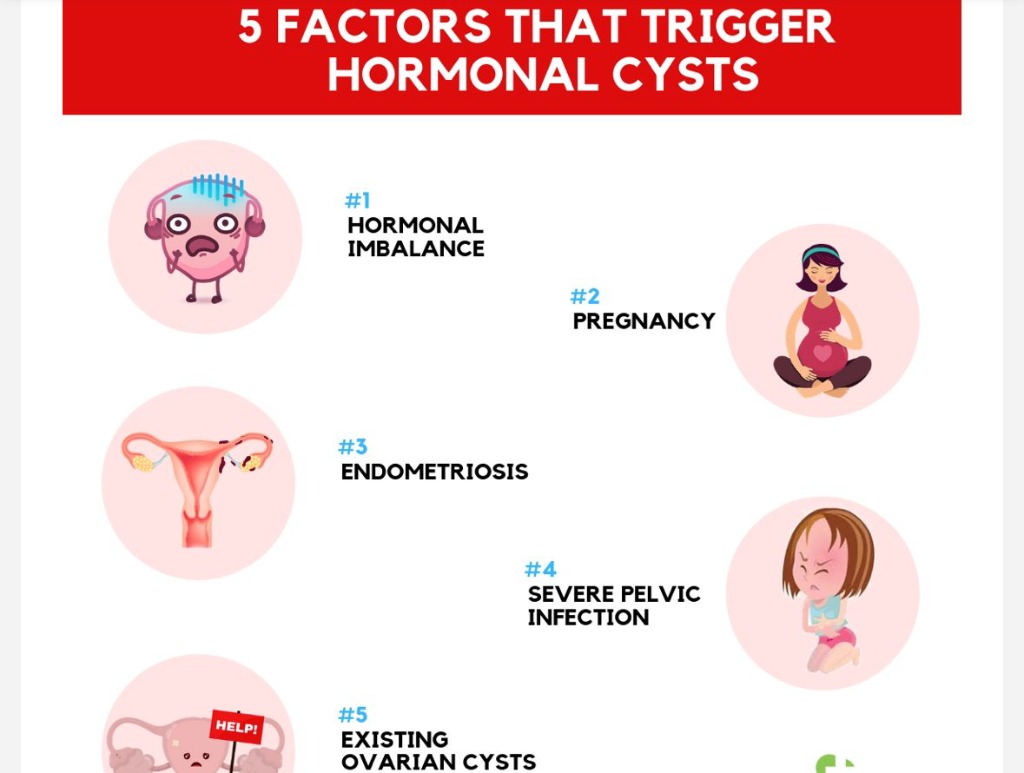
#1 Hormonal Imbalance
Fluctuations in reproductive hormones can interfere with normal follicle development, leading to cyst formation.
#2 Pregnancy
Ovarian cysts may form in early pregnancy to support the corpus luteum until the placenta develops.
#3 Endometriosis
Tissue similar to the uterine lining can attach to the ovaries, forming endometriomas (chocolate cysts).
#4 Severe Pelvic Infection
Infections that spread to the fallopian tubes and ovaries can trigger cyst formation or tubo-ovarian abscesses.
#5 Existing Ovarian Cysts
A history of prior ovarian cysts increases the likelihood of developing new cysts in subsequent cycles.
3 Diagnosis and Treatment
Diagnosis of cyst on the ovary can be observed during a pelvic examination. Based on the size and whether the cyst has fluid, or it is solid or a combination of both, doctors may recommend tests to determine its type and further requirements for the treatment.
Diagnostic Evaluations Suggested:
- Pregnancy test
- Pelvic ultrasound
- Diagnostic laparoscopy
- CA 125 blood test
Treatment Approach:
Treatment depends on various factors like age, the type and size of the cyst, and developing symptoms. Doctors may suggest a person to be wait watchfully, after a course of medication to see if the size of cyst has reduced and then decide if surgery is required.